
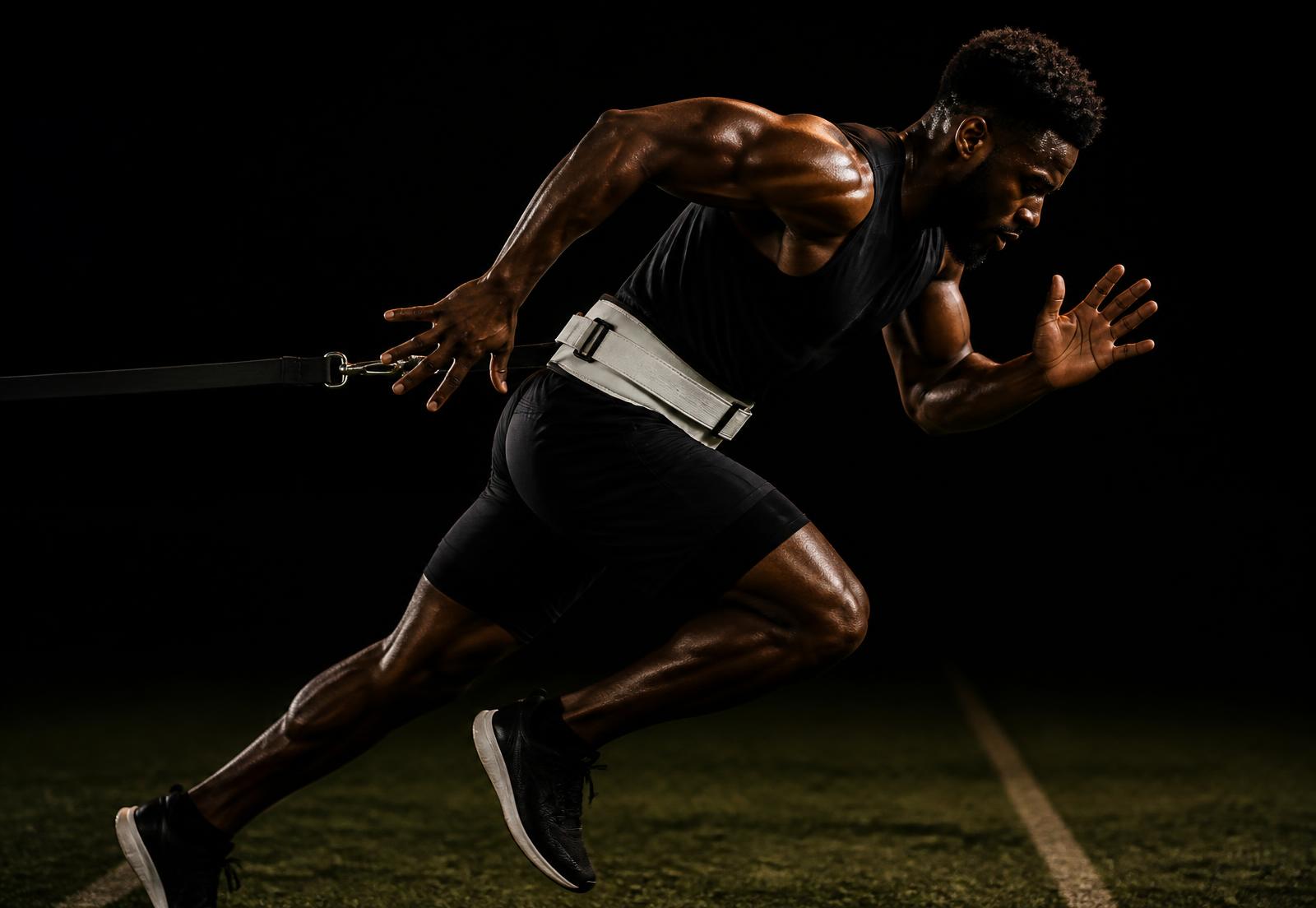
The world's first 360º training harness. And the data platform underneath it.
Hardware for the most demanding performance staffs in sport. Then that installed base becomes recurring, high-margin movement intelligence.
0
Paying pro & NCAA orgs
0
Orgs awaiting POs
0
USPTO filings
$0B+
Addressable market
The thesis
This is not hardware. It's a movement-data company with a hardware wedge.
Resistance tools have never followed an athlete the way they actually move. FLO's patented 360º carriage solves that mechanically, and every rep it enables is a data point nobody else can capture. The harness gets FLO into the building. The data layer makes it a platform.
Limited applications
Minimal use cases for game-like scenarios.
No adaptability
Cannot respond dynamically to athlete movement.
Uncomfortable fit
Causes distraction or pain during extended use.
No data or insights
Offers no measurable analytics or feedback.
One mechanism answers all four, plus the data layer none of them have.
Product to platform
From a rep to a roster-level decision
Every session produces multi-directional movement data. The analytics layer turns it into a score coaches act on, and a benchmark set that gains value with every organization added.
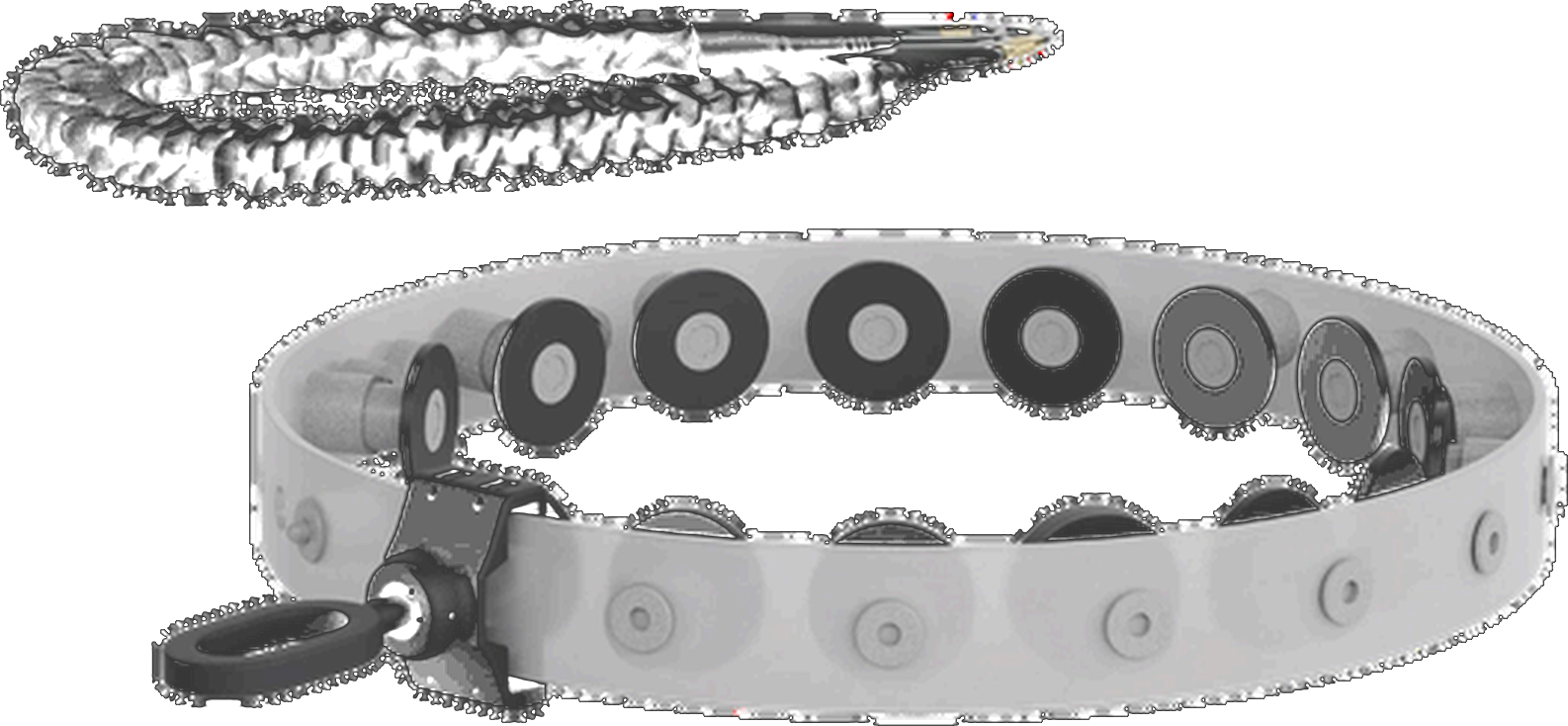
Step 1 · Hardware
$399 harness, ~71% gross margin, deployed roster-wide.
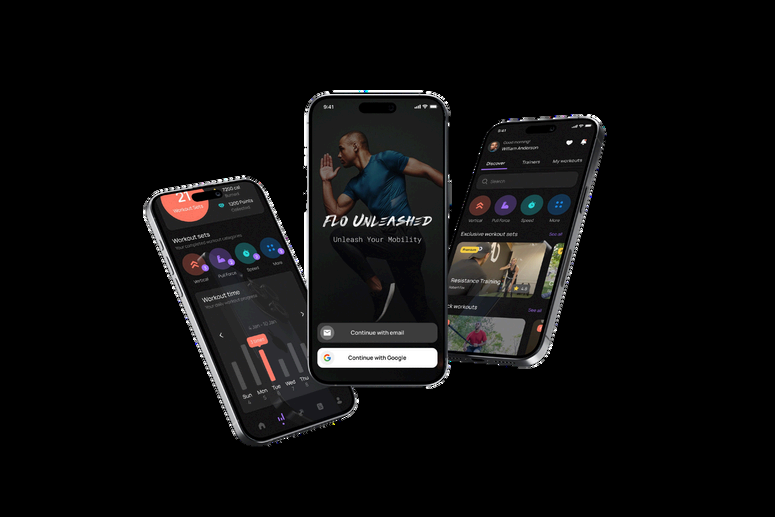
Step 2 · Data
Sensor pods + team analytics at $50k ARR per organization.
82% SaaS mix by Year 2FLO score
Force of pull
Measures raw horizontal pulling power to optimize sprint acceleration.
360º space coverage
Tracks how far and fast athletes move across the court or field.
Change of direction efficiency
Tracks how fast a player stops, cuts, and explodes at game speed.
Multi-directional power
Quantifies explosive output in every movement vector.
Illustrative model of the four metrics the FLO sensor captures. In production the score is computed from harness telemetry and normalized by position and training phase.
Focus with optionality
Laser-focused on the ICP. Built for far more.
This round is spent winning North American pro and collegiate performance staffs. The same carriage and data model extend into pet, tactical, and industrial safety.
SOM
$25B obtainable in the ICP over the plan horizon
Where the team is deliberately focused: North American pro, collegiate, and elite performance organizations, sold through practitioner relationships that already exist.
- 7 paying orgs, 22 in pipeline
- Advisory board inside target accounts
- $50k/yr team analytics license
Business model
Six ways this compounds
Every line attaches to the same installed base. Hardware buys distribution; software, data, and licensing carry the margin.
Financial arc
$2.3M to $37.2M with margin expanding, not compressing
Mix shifts from 100% hardware in Year 1 to 82% software and data by Year 2. That is why EBITDA margin reaches ~80%.
Plan of record
Hardware wedge → software engine
Year 2
Hardware + SaaS launch
Revenue
$28.8M
EBITDA
$22.8M
EBITDA margin
79%
SaaS mix
82%
- Hardware gross margin~71%
- SaaS revenue (Yr 2)$25.5M
- Active subs (Yr 3)739
- Net income (Yr 3)$21.7M
Sequencing
A roadmap that earns the right to expand
Hardware first. Data platform second. Adjacent markets through licensing, so focus never leaves the ICP.
Hardware release
Full commercial launch into pro and collegiate performance staffs already in the pipeline. Installed base begins compounding.
- 7 paying organizations
- 22 orgs awaiting purchase orders
Next step
See the full data room
Financial model, patents, customer references, roadmap, sensor architecture. No login. One short form and it's in your inbox.